
Our Blog:
Archive:
- 2020
- 2019
- 2018
- 2017
- 2016
- 2015
Tags
- dental implants (12)
- crowns (3)
- celebrity smiles (53)
- loose teeth (1)
- tooth grinding (1)
- wisdom teeth (5)
- gum disease (10)
- periodontal disease (2)
- cosmetic dentistry (7)
- orthodontic treatment (13)
- anchorage devices (1)
- oral hygiene (19)
- pediatric care (1)
- dental sealants (2)
- gummy smile (1)
- teeth grinding (3)
- athletic mouthguards (1)
- porcelain veneers (3)
- cracked mouth (1)
- oral health (19)
- bad breath (1)
- teeth whitening (4)
- orthodontics (5)
- braces (5)
- tooth replacement (1)
- clear aligners (1)
- abscessed tooth (1)
- pediatric dentistry (11)
- bonding (1)
- teeth wear (1)
- dental emergency (1)
- dental injury (4)
- root canal treatment (8)
- dental injuries (1)
- partial denture (1)
- retainers (4)
- dental cleaning (1)
- veneers (2)
- chipped teeth (1)
- tooth decay (3)
- laser dentistry (1)
- toothache (1)
- bone grafting (2)
- tooth pain (2)
- antibiotics (1)
- gum recession (4)
- topical fluoride (1)
- baby teeth (1)
- tooth extraction (1)
- tooth loss (1)
- sensitive teeth (1)
- tads (1)
- mouthguards (2)
- shingles (1)
- facial pain (1)
- trigeminal neuralgia (1)
- diabetes (1)
- dental records (1)
- dry mouth (1)
- bridgework (1)
- chipped tooth (3)
- tooth wear (1)
- smile makeover (2)
- nutrition (2)
- extraction (1)
- dentures (2)
- teething (1)
- dental implant (1)
- oral heath (1)
- vaping (1)
- retainer (1)
- root canal (1)
- loose tooth (1)
Categories:
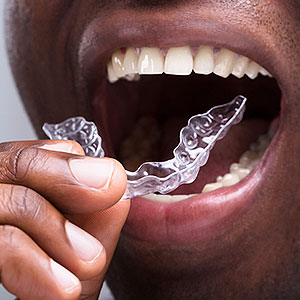
After living with braces for a couple of years, the “big reveal” finally happens and you see your new smile for the first time. But then you’re told you have to wear another mouth appliance—around the clock to start and then just at night. After all the new smile excitement, wearing a retainer can be a little anticlimactic.
But this part of your orthodontic treatment is as important as the earlier tooth movement phase. That’s because your new “forever smile” doesn’t necessarily come with a “forever” guaranty. In fact, your teeth could quickly begin moving back to where they were before braces if you don’t wear a retainer.
The reason why is because of a tough but elastic gum tissue called the periodontal ligament. This ligament lies between the teeth and the jawbone, attaching to both through tiny extending fibers. The periodontal ligament actually does most of the anchoring work to hold your teeth in place.
The ligament is also why we’re able to move your teeth to different positions: As braces apply pressure to the teeth and jaw in the direction of desired movement, the ligament remodels itself to allow the teeth to take up these new positions.
The tissues involved, though, still retain a kind of “memory” of where the teeth used to be. This creates an immediate tendency for the teeth to revert to these old positions. To prevent this, we use a retainer that when worn keeps or “retains” the teeth in their new positions until they’ve stabilized and the old tissue “memory” fades.
There are different types of retainers, some removable and some fixed in place. Choosing the best one for a particular patient will depend on the complexity of the bite treatment, the patient’s age and level of self-responsibility and the preferences of the orthodontist. Whichever type of retainer you eventually use, it’s important you wear it to preserve all of the time and effort that went into transforming your smile.
Wearing a retainer might not be high on your “exciting things to do” list. But it’s the best way to guarantee you’ll enjoy your new smile for years to come.
If you would like more information on keeping your new smile after braces, please contact us or schedule an appointment for a consultation. You can also learn more about this topic by reading the Dear Doctor magazine article “The Importance of Orthodontic Retainers.”