
Our Blog:
Archive:
- 2020
- 2019
- 2018
- 2017
- 2016
- 2015
Tags
- dental implants (12)
- crowns (3)
- celebrity smiles (54)
- loose teeth (1)
- tooth grinding (1)
- wisdom teeth (5)
- gum disease (10)
- periodontal disease (2)
- cosmetic dentistry (7)
- orthodontic treatment (14)
- anchorage devices (1)
- oral hygiene (20)
- pediatric care (1)
- dental sealants (2)
- gummy smile (1)
- teeth grinding (3)
- athletic mouthguards (1)
- porcelain veneers (3)
- cracked mouth (1)
- oral health (20)
- bad breath (1)
- teeth whitening (4)
- orthodontics (5)
- braces (5)
- tooth replacement (1)
- clear aligners (1)
- abscessed tooth (1)
- pediatric dentistry (12)
- bonding (1)
- teeth wear (1)
- dental emergency (1)
- dental injury (4)
- root canal treatment (8)
- dental injuries (1)
- partial denture (1)
- retainers (4)
- dental cleaning (1)
- veneers (2)
- chipped teeth (1)
- tooth decay (3)
- laser dentistry (1)
- toothache (1)
- bone grafting (2)
- tooth pain (2)
- antibiotics (1)
- gum recession (4)
- topical fluoride (1)
- baby teeth (1)
- tooth extraction (1)
- tooth loss (1)
- sensitive teeth (1)
- tads (1)
- mouthguards (2)
- shingles (1)
- facial pain (1)
- trigeminal neuralgia (1)
- diabetes (1)
- dental records (1)
- dry mouth (1)
- bridgework (1)
- chipped tooth (3)
- tooth wear (1)
- smile makeover (2)
- nutrition (2)
- extraction (1)
- dentures (2)
- teething (1)
- dental implant (1)
- oral heath (1)
- vaping (1)
- retainer (1)
- root canal (1)
- loose tooth (1)
Categories:
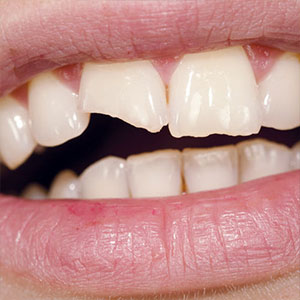
As tough as teeth are, life can take its toll on them and sometimes lead to parts of them chipping off. Although it might not affect a tooth's overall health, it can certainly downgrade its appearance.
But we can restore a chipped tooth like new, and it may not require extensive dental work. Thanks to a versatile dental material called composite resin, we can often bring back a tooth's natural appearance in just one visit.
Tooth-colored resins have been around for decades, but their application has been limited due to issues with durability. Recently developed bonding techniques, though, have made them a workable option for restoring mild to moderate tooth defects.
We do this by applying and bonding the composite resin to a tooth to “fill in” the missing portion. While it's often a short process, it does require a thorough understanding of tooth anatomy, function and aesthetics.
We begin with a comprehensive exam to assess the true condition of a chipped tooth. Some dental defects might be better served with a porcelain restoration like a veneer or crown for best results. Still, there are a wide range of defects for which composite resins is a solid repair choice.
Once we've determined bonding is appropriate, we prepare the tooth by first roughening its outer surface and then etching it with an acid solution to increase bonding strength. We then apply a luting agent, a kind of dental cement, also to aid with bonding.
We then begin applying the composite resin in liquid form, one layer at a time. This layering process helps simulate the color depth and shape of the tooth, and to further incorporate strength into the restoration. We're also careful at this point to match the variations of color with those of the surrounding teeth so that it looks as natural as possible.
As we finish each layer, we apply a curing light to harden the resin. We can then polish the finished product and make adjustments for the bite. The end result is a tooth that not only looks whole, but natural and blended with the rest of your teeth. Bonding could truly change your smile in just one visit.
If you would like more information on cosmetic dental restorations, please contact us or schedule an appointment for a consultation. You can also learn more about this topic by reading the Dear Doctor magazine article “Artistic Repair of Front Teeth With Composite Resin.”