
Our Blog:
Archive:
- 2020
- 2019
- 2018
- 2017
- 2016
- 2015
Tags
- dental implants (12)
- crowns (3)
- celebrity smiles (54)
- loose teeth (1)
- tooth grinding (1)
- wisdom teeth (5)
- gum disease (10)
- periodontal disease (2)
- cosmetic dentistry (7)
- orthodontic treatment (14)
- anchorage devices (1)
- oral hygiene (19)
- pediatric care (1)
- dental sealants (2)
- gummy smile (1)
- teeth grinding (3)
- athletic mouthguards (1)
- porcelain veneers (3)
- cracked mouth (1)
- oral health (19)
- bad breath (1)
- teeth whitening (4)
- orthodontics (5)
- braces (5)
- tooth replacement (1)
- clear aligners (1)
- abscessed tooth (1)
- pediatric dentistry (11)
- bonding (1)
- teeth wear (1)
- dental emergency (1)
- dental injury (4)
- root canal treatment (8)
- dental injuries (1)
- partial denture (1)
- retainers (4)
- dental cleaning (1)
- veneers (2)
- chipped teeth (1)
- tooth decay (3)
- laser dentistry (1)
- toothache (1)
- bone grafting (2)
- tooth pain (2)
- antibiotics (1)
- gum recession (4)
- topical fluoride (1)
- baby teeth (1)
- tooth extraction (1)
- tooth loss (1)
- sensitive teeth (1)
- tads (1)
- mouthguards (2)
- shingles (1)
- facial pain (1)
- trigeminal neuralgia (1)
- diabetes (1)
- dental records (1)
- dry mouth (1)
- bridgework (1)
- chipped tooth (3)
- tooth wear (1)
- smile makeover (2)
- nutrition (2)
- extraction (1)
- dentures (2)
- teething (1)
- dental implant (1)
- oral heath (1)
- vaping (1)
- retainer (1)
- root canal (1)
- loose tooth (1)
Categories:
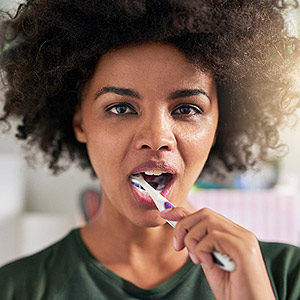
Five minutes a day: That’s all it takes to do something that could change your life. It may not seem like a lot of time, but it’s one of the most profound things you can do for your well-being.
So, what is this life-changing activity? Daily oral hygiene—good, old-fashioned brushing and flossing, just like your mom made you do. Along with regular dental visits, daily hygiene is crucial to keeping your teeth healthy. And healthy teeth are key to a healthy life.
Part of the magic is “showing up every day.” The main driver for tooth decay and periodontal (gum) disease is dental plaque, a thin film of bacteria and food particles that accumulates on teeth. Clearing away this daily buildup with brushing and flossing drastically reduces the likelihood of disease.
The real advantage, though, is in brushing and flossing effectively. Plaque can cling stubbornly to teeth, especially around the gum line and other hard to reach surfaces. What’s left behind interacts with saliva to form a hardened, calcified form called calculus (also known as tartar) that could increase your risk for disease. And it can’t be removed by brushing and flossing.
You can minimize calculus formation with proper brushing and flossing techniques. When brushing, for instance, use a circular motion and make sure you brush all tooth surfaces, including around the gum line (a thorough job takes about two minutes). And avoid aggressive brushing—you could damage your gums. Be gentle while you brush and let the toothpaste and brush bristles do the heavy lifting.
Don’t forget to floss to remove plaque from between teeth your brush can’t access. Wrap the ends of about 18 inches of floss thread around the middle finger of each hand. Using a combination of your index fingers and thumbs to maneuver it, work the floss between the teeth and then snug it to the tooth surface. Go up and down the sides of each tooth a few times until you hear a squeak (this only happens with unwaxed floss). Move then to the remaining teeth until you’re finished.
Focusing on these techniques will improve your ability to keep daily plaque accumulation low. And that means your teeth and gums have a better chance of staying disease-free and healthy.
If you would like more information on proper oral hygiene, please contact us or schedule an appointment for a consultation. You can also learn more about this topic by reading the Dear Doctor magazine article “Daily Oral Hygiene.”